What Buyers Should Know About Waterfront Property Maintenance
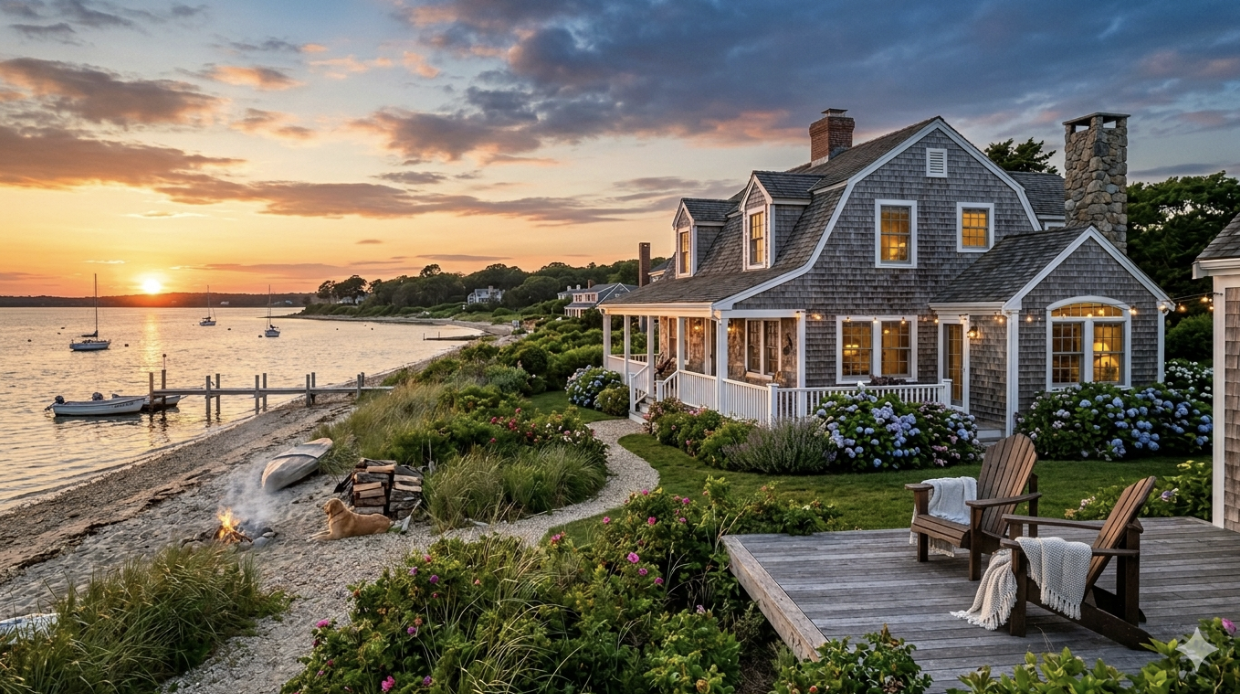
There's a moment that happens the first time you step into a true waterfront home on Cape Cod.
The light moves differently. The air carries a trace of salt. The view stops feeling like a feature, and starts feeling like a constant.
It's easy to get lost in that feeling. And you should.
But behind every well-kept oceanfront or pondfront property is something less visible, and just as important: the commitment to maintain it.
For buyers considering waterfront property on the Cape or along Southern Coastal Massachusetts, understanding upkeep isn't a downside. It's part of owning something genuinely rare, and keeping it that way.
Why Waterfront Homes Are a Different Responsibility
Waterfront properties don't just sit in a beautiful environment. They live in it, exposed to forces that inland homes never face.
Salt air. Persistent moisture. Wind. Shifting weather. Fluctuating water levels. Slow, steady erosion.
These aren't obstacles. They're simply the conditions that come with the territory. A well-built waterfront home can last generations, but only with consistent, informed care. The goal isn't to fight the environment. It's to work with it.
Exterior Maintenance: Where It Shows First
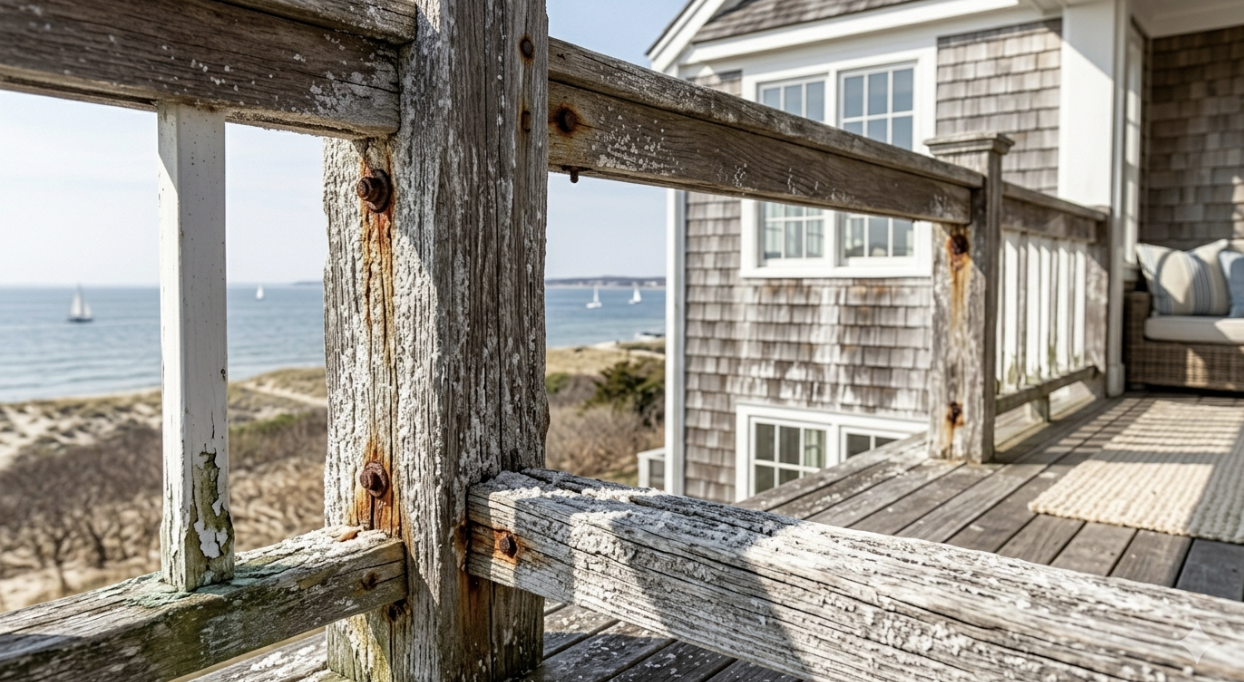
Siding, Trim & Paint
Salt air is relentless. It wears down finishes faster than anything found inland, which means exterior surfaces need more frequent attention. Expect regular painting or staining cycles, routine inspection of trim and sealants, and materials chosen specifically for coastal durability. Cedar shingles remain the Cape Cod standard for good reason: they weather naturally, perform reliably, and look better with age.
Roofing & Windows
Wind exposure and coastal storms can compromise roofs and window seals faster than you'd expect. After any significant weather event, a roof inspection is worth the peace of mind. Quality windows rated for coastal conditions aren't an upgrade, they're a requirement.
Decks, Railings & Outdoor Showers
Outdoor living is the whole point of waterfront ownership. It also means outdoor structures absorb more wear than almost anything else on the property. Seasonal sealing, corrosion-resistant hardware, and consistent upkeep of outdoor showers, a Cape Cod staple, keep these spaces functional and beautiful year after year. The goal isn't perfection. It's preservation.
Land, Shoreline & What Lies Beneath
Erosion & Landscaping
Waterfront land is alive. It shifts with the seasons, the tides, and the years. Whether oceanfront, bayside, or pondfront, buyers need to understand local erosion patterns, conservation restrictions, and the permitting requirements that come with them. On the Cape, even modest changes to landscaping near the water may require regulatory approval. Working with local professionals who know these rules isn't optional, it's essential.
Septic Systems & Drainage
Most waterfront homes rely on private septic systems, and proximity to water brings stricter environmental standards with it. Routine inspections, required upgrades over time, and proper drainage grading aren't just maintenance items, they're legal and environmental obligations. Buyers should go in with clear eyes about what the current system requires and what it may eventually need.
Flood Insurance: The Conversation Most Buyers Skip
Flood insurance is one of the most important, and most misunderstood, aspects of waterfront ownership.
Not all waterfront homes carry the same flood risk. FEMA flood zones, elevation, construction type, and exact location all influence what coverage is required and what it costs. For high-value properties, this isn't just a compliance exercise, it's foundational financial protection.
Before closing, buyers should review elevation certificates, examine any existing policies, and project long-term insurance costs honestly. Surprises after closing are avoidable. They just require asking the right questions before.
Thinking Beyond Summer
Cape Cod is synonymous with summer, but waterfront homes live through all four seasons, and each one demands attention.
Winter means protecting pipes, monitoring heating systems in vacant periods, and securing outdoor features before storms arrive.
Spring and fall are transition seasons, times to reopen or winterize, inspect for weather-related wear, and prepare landscaping and irrigation for what's ahead.
A seasonal maintenance calendar isn't extra work. It's smart ownership.
The Case for Professional Property Management
Many luxury waterfront homeowners, especially those whose property is a second residence, choose to work with a local property manager, and for good reason.
Routine inspections. Storm preparation. Vendor coordination. Rental oversight if applicable. The value isn't just convenience, it's consistency. Regular, professional eyes on a property catch small issues before they become expensive ones.
Maintenance as Investment, Not Expense
It's easy to look at waterfront maintenance as a line item. The better frame is this: it's asset protection.
Well-maintained waterfront homes hold their value more effectively, perform better in shifting markets, and attract stronger buyers when the time comes to sell. On Cape Cod, where true waterfront inventory is genuinely limited, condition is a competitive advantage.
A Different Kind of Ownership
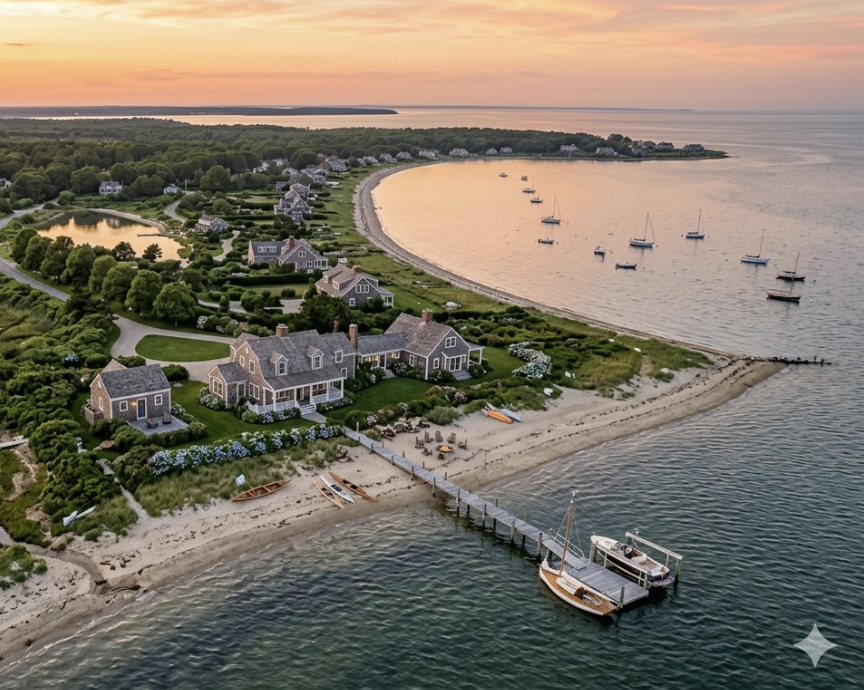
Waterfront ownership isn't passive. It asks something of you, attention, planning, a willingness to stay engaged with the property through every season.
For many buyers, that's not a burden. It's part of the appeal.
There's something meaningful about stewardship. About caring for a piece of coastline, and the home built on it, the way it deserves to be cared for.
The environment that makes these properties so extraordinary is the same one that calls for thoughtful maintenance. Respect that relationship, and the home rewards you for it, not just financially, but in the way it feels to arrive there, season after season, year after year.