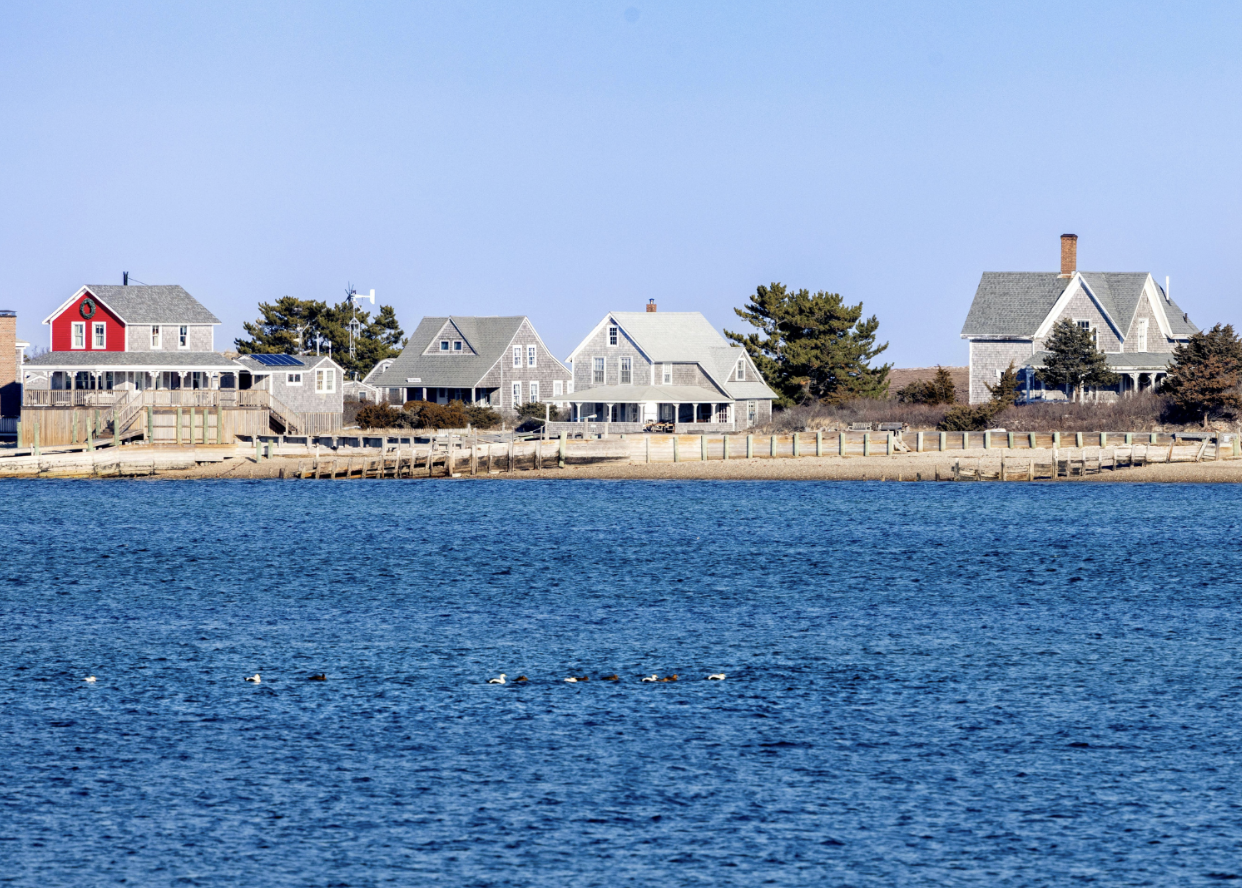
Buying a luxury home on the Cape is about more than views, architecture, and location. Behind every waterfront estate, historic village home, or custom coastal build is a complex framework of zoning laws, property rights, and local regulations that shape what you can, and can’t, do with your investment.
For high-end buyers, especially those new to the region, understanding these rules early can help avoid costly surprises and ensure your vision aligns with what’s legally possible. Here’s a clear, practical guide to the zoning and property considerations that matter most when purchasing luxury real estate on Cape Cod.
Why Zoning Matters More in Coastal Luxury Markets
Cape Cod isn’t governed by a single set of rules. Each town, whether it’s Chatham, Harwich, Osterville, or Provincetown, has its own zoning bylaws, layered with state and environmental regulations.
Luxury homes often sit in areas with added oversight:
Waterfront parcels
Historic districts
Conservation or flood-prone zones
Nonconforming lots with grandfathered conditions
These layers can affect renovations, expansions, accessory structures, and even how a home is used seasonally.
Waterfront Property Rights: What Buyers Need to Know
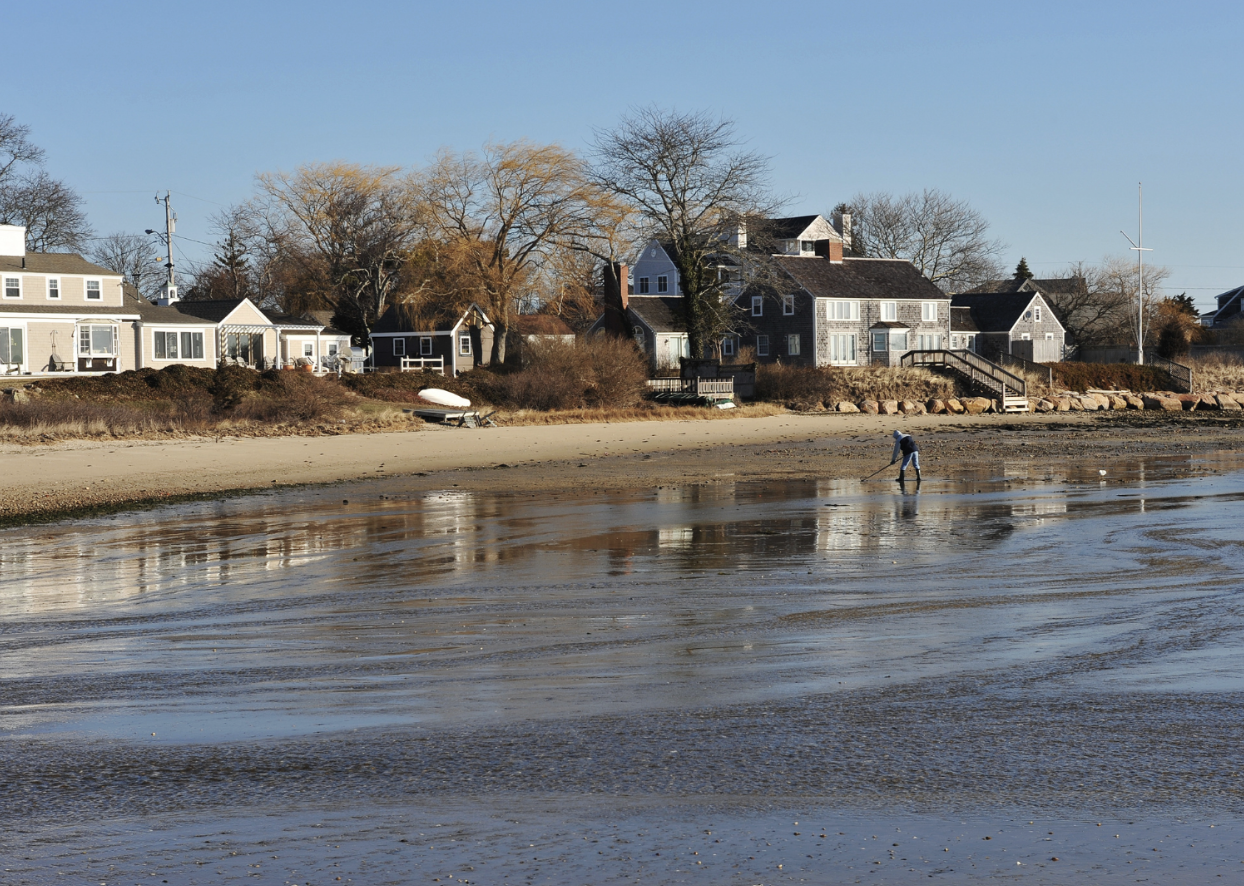
Waterfront homes are among the most sought-after properties on the Cape, but they come with unique legal considerations.
Private vs. Public Waterfront Rights
In Massachusetts, property ownership typically extends only to the mean high water mark. Below that line, beaches may be subject to public rights for fishing, fowling, and navigation, even if they feel private.
This distinction matters when it comes to:
Beach access
Dock installation
Shoreline modifications
Use of the waterfront by others
A thorough title review and local expertise are essential when evaluating true waterfront rights.
Wetlands & Conservation Regulations
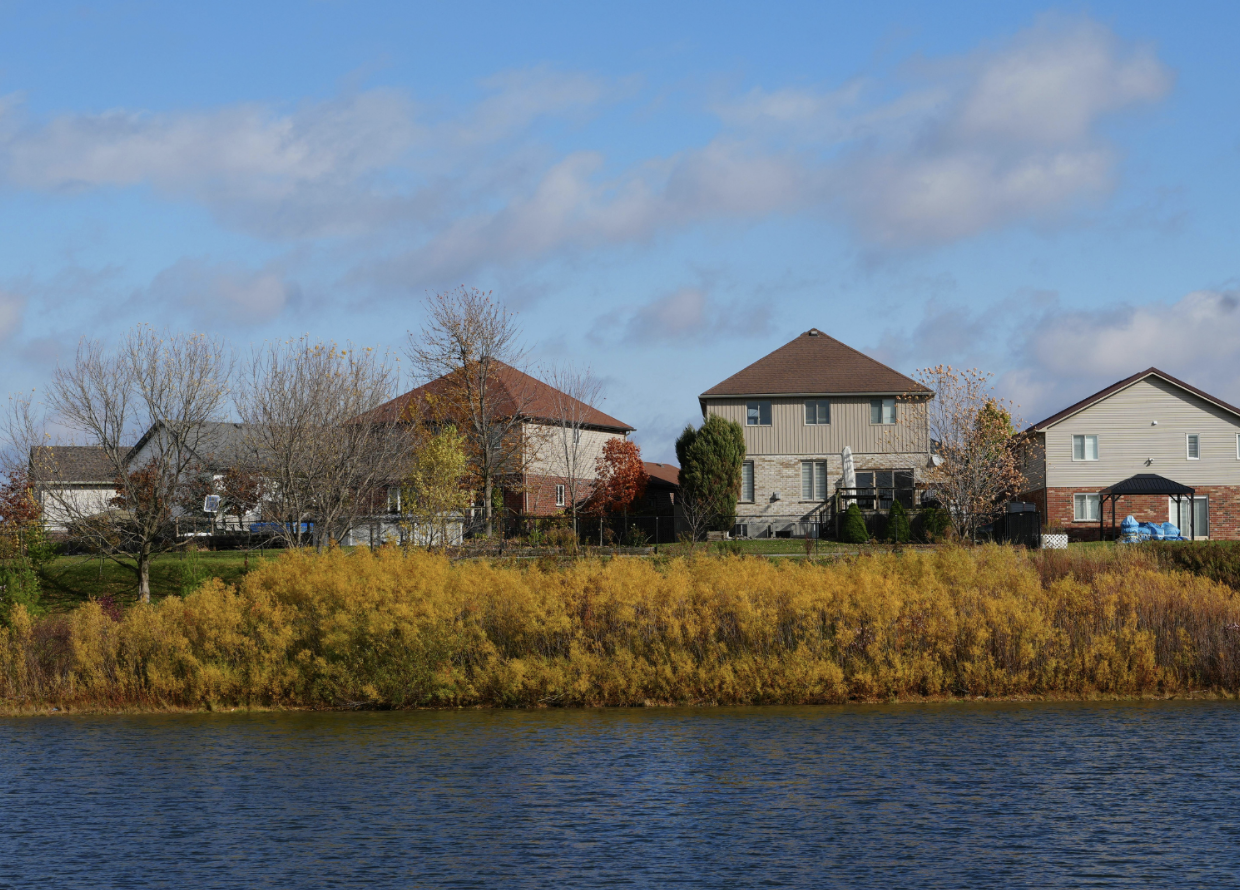
Many luxury properties fall within or near protected wetlands, dunes, or coastal banks. These areas are regulated under:
Local Conservation Commission rules
The Massachusetts Wetlands Protection Act
Any work, such as landscaping, seawall repair, additions, or pool installation, may require approval and permitting.
Key takeaway: Even cosmetic changes can trigger regulatory review on waterfront or near-wetland properties.
Zoning Restrictions That Affect Luxury Homes

Setbacks & Lot Coverage
Zoning bylaws often limit how close structures can be to property lines, roads, or the shoreline. Luxury buyers looking to expand or rebuild should pay close attention to:
Front, side, and rear setbacks
Maximum lot coverage percentages
Height restrictions
Nonconforming homes may have existing exceptions, but changes can require special permits.
Historic District Rules
Cape Cod’s charm is deeply tied to its historic villages. Homes located in historic districts may be subject to review by a Historic Commission, especially for exterior changes.
This can impact:
Window and door replacements
Exterior materials and colors
Additions or visible alterations
While these rules preserve character, they also require thoughtful planning.
Accessory Structures & Guest Houses
Carriage houses, pool houses, guest cottages, and detached garages are popular features in luxury homes, but not always permitted by right.
Zoning may regulate:
Size and placement
Year-round occupancy
Rental use
Utility connections
Understanding these limits upfront helps align expectations with reality.
Rental & Use Regulations
Some buyers plan to offset ownership costs through seasonal rentals. However, Cape Cod towns increasingly regulate short-term rentals through:
Registration requirements
Occupancy limits
Local tax compliance
Luxury buyers should verify rental allowances before purchasing if income use is part of the strategy.
Why Local Expertise Makes a Difference
Cape Cod zoning isn’t just about reading bylaws, it’s about understanding how they’re applied in real life. Local boards, commissions, and town interpretations vary, and what’s feasible in one village may not be in another just a few miles away.
That’s why experienced local representation matters when navigating:
Waterfront access rights
Expansion potential
Long-term value protection
Renovation feasibility
Final Thoughts: Protecting Your Investment

Luxury real estate on Cape Cod offers lifestyle, legacy, and long-term value, but only when buyers understand the rules shaping their property.
Before falling in love with a view or floor plan, take the time to understand zoning, rights, and restrictions. With the right guidance, you can move forward confidently, knowing your investment aligns with both your vision and the realities of Cape Cod ownership.
LaBarge Homes & Real Estate...it's about lifestyle, legacy, and local expertise.