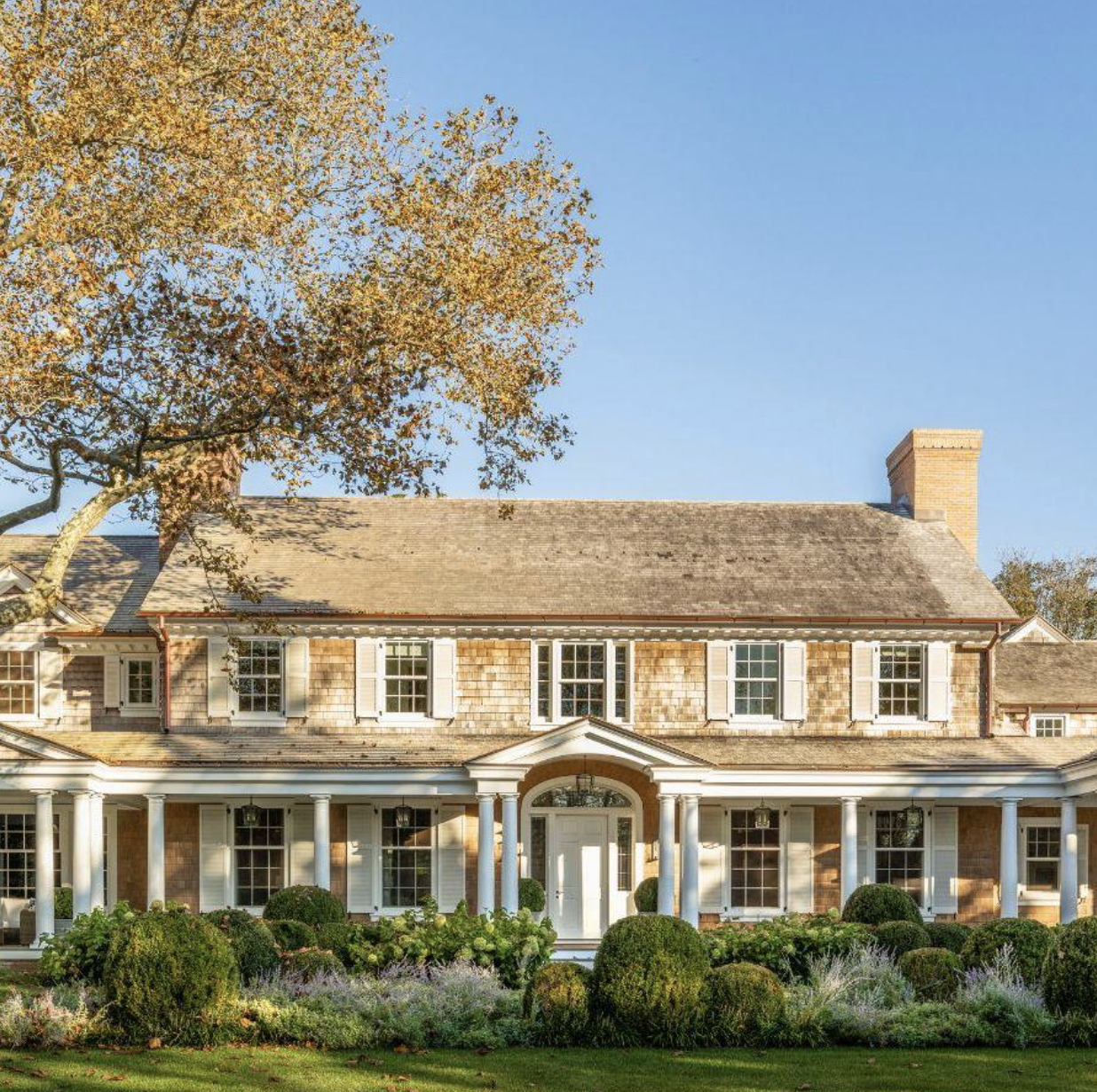
For many homebuyers, the allure of a historic luxury home goes beyond square footage or premium finishes. It's about owning a piece of history, appreciating timeless craftsmanship, and embracing a lifestyle rooted in tradition and character. Across the Cape, historic homes tell the story of generations past while offering today's buyers the opportunity to live in some of New England's most picturesque coastal communities.
From charming sea captains' homes in Historic Cape Cod villages to beautifully preserved waterfront estates throughout Barnstable County, Lower Cape Cod, Mid-Cape, Upper Cape, and Outer Cape Cod, these distinctive properties continue to attract buyers seeking something truly unique.
However, purchasing a historic home requires careful consideration. Alongside architectural beauty come responsibilities that differ from buying a newer property. Understanding both the advantages and potential challenges can help buyers make an informed decision when exploring Cape Cod historic homes.
Whether you're searching for a year-round residence, a Cape Cod second home, or an investment opportunity, here's what you should know before buying a historic luxury home.
Why Historic Luxury Homes Continue to Captivate Buyers
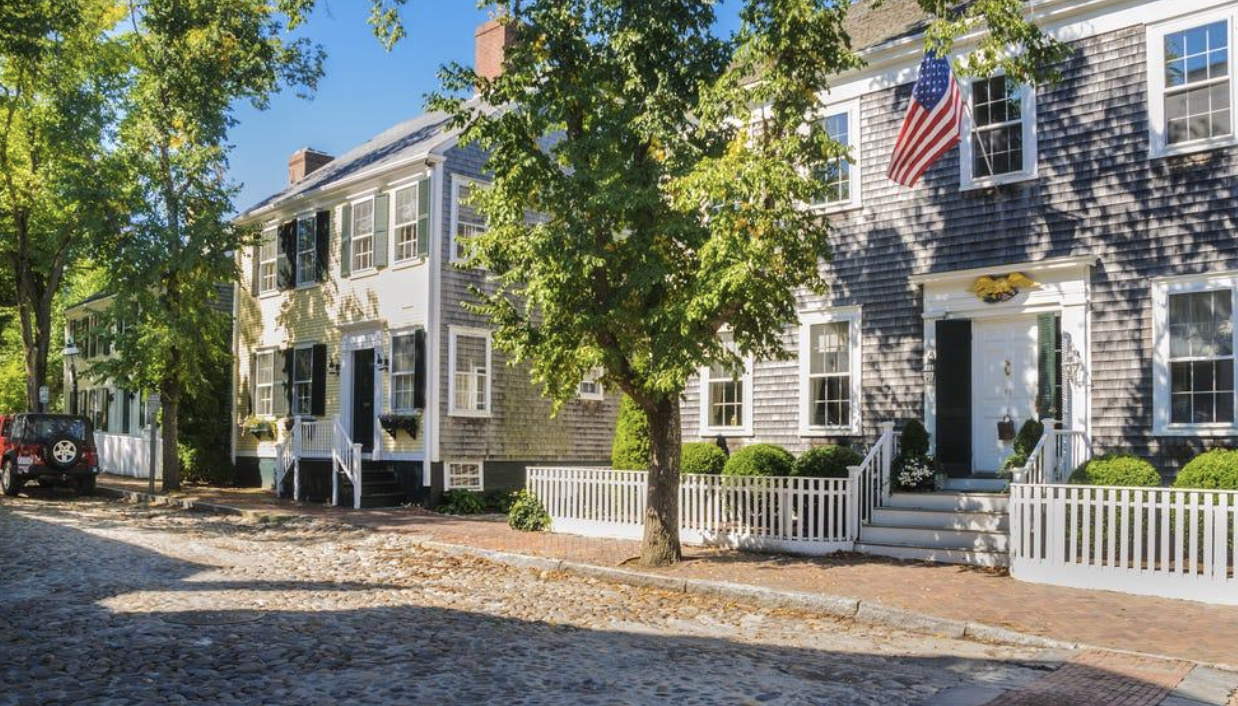
Historic homes possess an unmistakable charm that modern construction often strives to replicate but rarely matches. Original craftsmanship, authentic materials, and distinctive architectural details create homes that feel both elegant and deeply connected to their surroundings.
Many of the most desirable historic homes for sale on Cape Cod reflect centuries of maritime heritage, featuring classic Cape, Colonial, Federal, Greek Revival, and Victorian architectural styles that have become synonymous with the region.
For buyers seeking authenticity, owning one of these residences means becoming a steward of Cape Cod's architectural legacy.
The Pros of Buying a Historic Luxury Home
Timeless Architecture and Exceptional Craftsmanship
One of the greatest advantages of historic homeownership is the extraordinary craftsmanship found throughout older luxury homes.
Features often include:
Handcrafted millwork
Wide-plank hardwood flooring
Original fireplaces
Custom built-in cabinetry
Exposed beams
Antique windows and doors
Detailed moldings
Historic woodwork
These architectural elements provide a level of artistry that's difficult, and often expensive, to recreate in new construction.
For many buyers searching for historic luxury homes, these authentic details become the home's defining feature.
Prime Locations Throughout Cape Cod
Many of Cape Cod's oldest homes occupy some of its most desirable locations.
Historic properties are commonly found near:
Village centers
Harbors
Beaches
Conservation land
Historic districts
Walkable downtowns
Communities such as Sandwich, Barnstable Village, Yarmouth Port, Brewster, Dennis, Harwich, Chatham, Orleans, Wellfleet, Truro, and Provincetown all offer beautiful examples of preserved historic architecture within vibrant coastal settings.
These established neighborhoods combine scenic beauty with convenience, making them highly attractive to buyers exploring Cape Cod luxury real estate.
A Home with Character You Can't Replicate
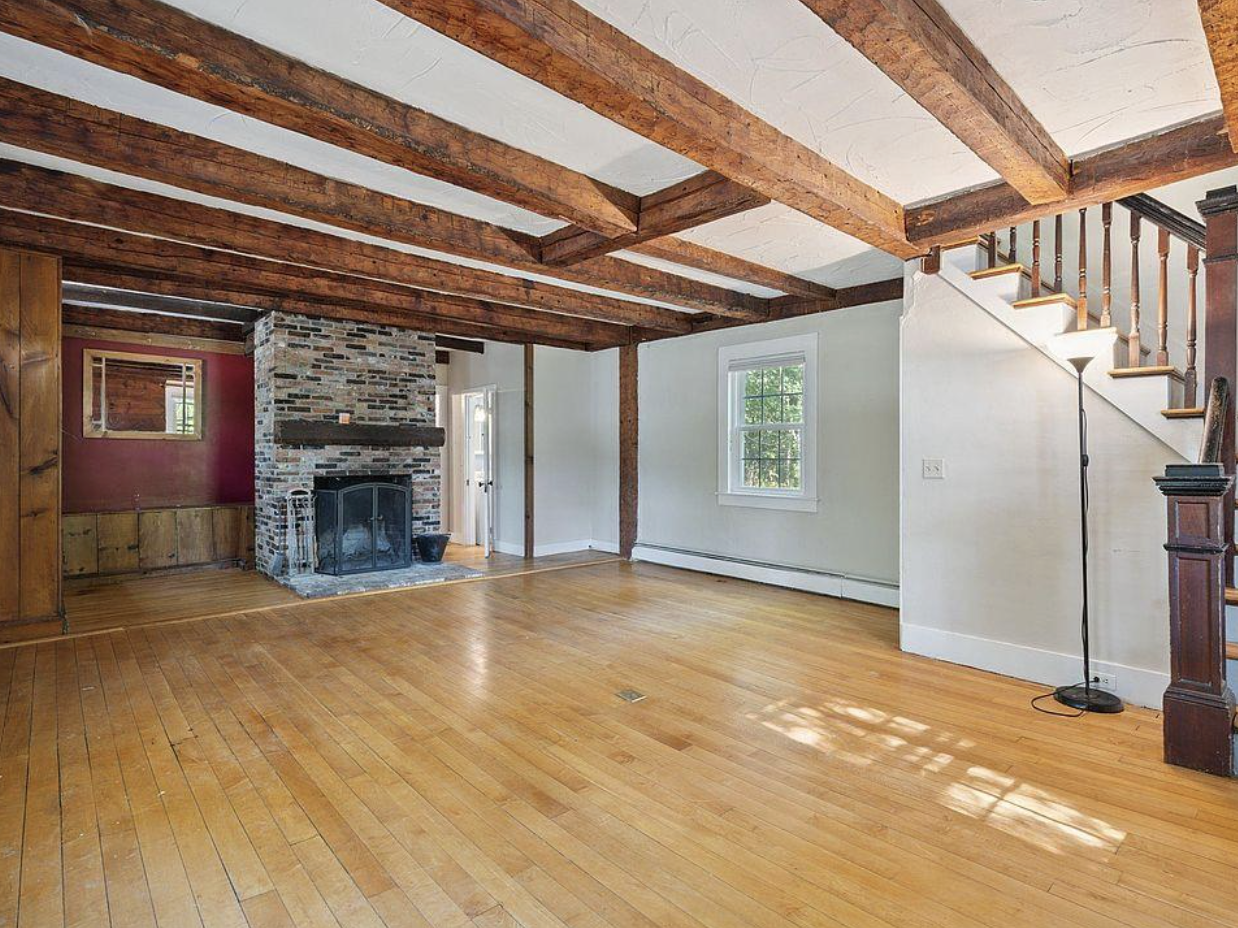
Unlike many contemporary homes built from standardized floor plans, antique homes often feature layouts and design details shaped by generations of thoughtful craftsmanship.
You'll frequently find:
Distinctive room layouts
Handcrafted staircases
Original brick chimneys
Period hardware
Custom woodworking
Historic architectural proportions
These features create homes with personality, warmth, and a sense of place that many buyers value over newer construction.
Preserving Cape Cod's Rich Heritage
Purchasing one of the many Cape historic homes means helping preserve a significant part of the region's cultural identity.
Historic homes contribute to the unique character that draws residents and visitors alike to the Cape. Maintaining these properties helps protect the architectural traditions that define many of the Cape Cod's villages and waterfront communities.
For homeowners who appreciate history, preservation becomes a rewarding aspect of ownership.
Lifestyle Appeal for Primary and Second Homes
Historic luxury homes appeal to a wide range of buyers.
Some are searching for:
A full-time residence
A coastal retirement home
A seasonal getaway
A family vacation property
A legacy home to pass down through generations
The combination of architectural beauty and exceptional locations makes these homes ideal for creating lasting memories while enjoying everything the Cape has to offer.
Potential Preservation Incentives
Depending on the property's designation, location, and planned improvements, some historic homes may qualify for preservation-related grants, tax incentives, or rehabilitation programs.
These opportunities vary significantly based on local, state, and federal guidelines.
Before making financial decisions, buyers should consult qualified tax professionals, preservation specialists, or legal advisors to determine whether any incentives may apply to their specific property.
The Considerations Before Buying a Historic Home

While owning a historic property offers many rewards, it's equally important to understand the responsibilities that come with preserving an older home.
Restoration and Renovation Costs
One of the biggest considerations when buying a historic home is the potential cost of restoration.
Unlike standard renovations, historic homes often require specialized materials and skilled craftspeople to preserve their original character.
Projects may involve:
Restoring original windows
Repairing historic woodwork
Masonry restoration
Roof replacement
Foundation improvements
Exterior preservation
These projects can require additional planning compared to renovations on newer homes.
Ongoing Maintenance
Historic homes generally require more regular maintenance than newer construction.
Routine inspections and preventative care help preserve both the home's appearance and structural integrity.
Owners should expect to monitor:
Roofing
Exterior siding
Wood trim
Masonry
Drainage
Windows
Mechanical systems
Proactive maintenance often prevents more extensive repairs in the future.
Historic District Regulations
Many luxury historic homes are located within designated historic districts or neighborhoods.
These areas may have preservation guidelines governing exterior renovations or visible modifications.
Requirements can vary depending on the municipality and the property's historic designation.
Before purchasing, buyers should familiarize themselves with applicable local regulations and understand any review processes that may apply to future improvements.
Insurance Considerations
Insuring an antique luxury home sometimes differs from insuring a newer property.
Replacement costs may be higher due to:
Specialized materials
Custom craftsmanship
Historic building techniques
Restoration requirements
Working with an insurance professional experienced in historic properties can help buyers understand available coverage options and replacement value considerations.
Improving Energy Efficiency
Older homes often present opportunities for thoughtful energy-efficiency improvements while maintaining historic integrity.
Depending on the home, buyers may consider upgrades such as:
Improved insulation
High-efficiency HVAC systems
Weather sealing
Interior storm windows
Updated plumbing and electrical systems
Many renovations can enhance comfort while preserving the property's original architectural character.
Working with Experienced Professionals
Historic home projects benefit from a knowledgeable team.
Depending on the scope of work, homeowners may choose to work with:
Historic preservation architects
Restoration contractors
Structural engineers
Preservation consultants
Local building officials
Careful planning helps ensure improvements respect the home's history while meeting modern lifestyle needs.
Why Cape Cod Is One of New England's Premier Historic Home Markets
The Cape's history stretches back centuries, creating one of the country's richest collections of preserved residential architecture.
Throughout Barnstable County, buyers will find beautifully maintained homes that reflect the Cape's maritime heritage, colonial history, and longstanding coastal traditions.
Many communities have carefully protected their historic character through thoughtful planning and preservation efforts, allowing residents to enjoy neighborhoods where architecture, walkability, and coastal beauty exist in harmony.
For buyers seeking Cape Cod coastal homes, few regions offer such a compelling combination of history and lifestyle.
Balancing Historic Charm with Modern Living
Today's buyers don't have to choose between historic character and modern comfort.
Many of Cape Cod's finest luxury homes have been thoughtfully updated to include:
Renovated kitchens
Modern bathrooms
Central air conditioning
Updated electrical systems
Efficient heating
Smart home technology
These improvements allow homeowners to enjoy contemporary conveniences while preserving the architectural features that make historic homes so distinctive.
The result is a property that honors its past while supporting today's lifestyle.
What Buyers Should Evaluate Before Purchasing
Before making an offer on a historic luxury home, buyers should carefully evaluate several important factors.
Consider:
Overall structural condition
Previous renovations
Inspection findings
Historic designation
Maintenance history
Future restoration goals
Insurance requirements
Long-term ownership costs
Partnering with experienced local professionals, including inspectors, preservation specialists, and knowledgeable real estate advisors, can help buyers understand both the opportunities and responsibilities associated with owning a historic property.
Finding the Right Historic Home on Cape Cod
Every historic home tells a different story.
Some have been meticulously restored to preserve their original character, while others offer opportunities for thoughtful updates and personalization. Understanding your lifestyle, renovation goals, maintenance expectations, and long-term plans can help determine whether a historic luxury home is the right fit.
With an in-depth understanding of the Cape Cod real estate market, LaBarge Real Estate helps buyers navigate the unique considerations of purchasing historic properties throughout the Cape. From charming village homes to elegant waterfront estates, working with experienced local professionals ensures you have the knowledge needed to make a confident decision.
Explore Historic Luxury Homes with LaBarge Real Estate
If you're considering buying a historic home or searching for Cape Cod historic homes that combine timeless architecture with coastal living, LaBarge Real Estate is here to help. Our local expertise and deep understanding of Cape Cod's distinctive communities allow us to guide buyers toward properties that align with their lifestyle, investment goals, and appreciation for history.
Contact LaBarge Real Estate to learn more about historic homes for sale on the Cape, luxury coastal properties, and exceptional homes throughout Lower Cape Cod, Mid-Cape, Upper Cape, Outer Cape Cod, and communities across Barnstable County.