
Estate Planning & Real Estate: What Buyers Need to Know

When people think about estate planning, they often think about wills, financial accounts, or other personal assets. Real estate, however, can be one of the most significant assets a person or family owns, and a property may remain in the family for decades or even generations.
For homeowners, second-home owners, and luxury property buyers on Cape Cod, estate planning and real estate can be closely connected. A primary residence, vacation home, waterfront property, rental, investment property, or parcel of land may all need to be considered as part of a broader long-term plan.
Thoughtful planning can help families consider who may eventually own a property, how it could be managed, and what practical responsibilities may come with transferring it to future generations.
Because ownership structures, inheritance, tax treatment, and legal requirements vary by individual circumstances, these decisions should be made with qualified legal, tax, and financial professionals.
What Does Estate Planning Have to Do With Real Estate?
Estate planning and real estate intersect because property ownership does not necessarily end with the current owner's lifetime.
A comprehensive estate plan may address questions such as:
Who currently owns the property?
Who may eventually inherit it?
How will ownership be transferred?
What happens if there are multiple heirs?
Who will be responsible for maintenance and expenses?
What happens if an owner becomes unable to manage the property?
How should future ownership transitions be handled?
These considerations can become especially important when a property represents a substantial portion of an estate or has significant emotional importance to a family.
For example, a Cape Cod vacation home may be used by several generations today. Without thoughtful planning, future family members could eventually have different expectations about how the property should be used, maintained, or managed.
Estate planning for homeowners is therefore not simply about what happens to an asset on paper. It can also involve preparing for the practical realities of long-term real estate ownership.
Understanding Trusts and Real Estate
One question homeowners sometimes ask is: Can real estate be placed in a trust?
At a high level, a trust can sometimes be used to hold real estate and establish a framework for how the property is managed or transferred according to the terms of the trust.
Families may explore trusts and real estate for a variety of reasons, including:
Organizing property ownership
Establishing a framework for succession
Providing instructions for future ownership
Managing property for beneficiaries
Addressing how property may be administered over time
However, there is no single trust structure that is appropriate for every homeowner or family.
A property held in a trust can also involve legal, tax, administrative, and ownership considerations that depend on the specific circumstances. Placing a property in a trust does not automatically eliminate taxes, probate, creditor issues, or other legal obligations.
Anyone considering transferring real estate into a trust should work with a qualified estate-planning attorney who can evaluate the individual's circumstances and explain the applicable requirements.
Planning for a Family's Cape Cod Home

A Cape Cod home can have a role that extends far beyond being a place to live.
A second home might become a gathering place for children and grandchildren. A waterfront property might be used as a seasonal retreat. A rental property might remain within a family as an inherited asset. A luxury home may represent a significant portion of a family's overall estate.
That makes family real estate planning particularly important.
Families may want to discuss questions such as:
Who will own the property in the future?
Who will be responsible for taxes, insurance, and maintenance?
Who can use the home, and when?
How will major repairs or renovations be handled?
What happens if one heir wants to sell?
How will ownership be transferred to the next generation?
These are planning questions rather than recommendations for a particular ownership structure. The appropriate approach depends on the family, the property, and the broader estate plan.
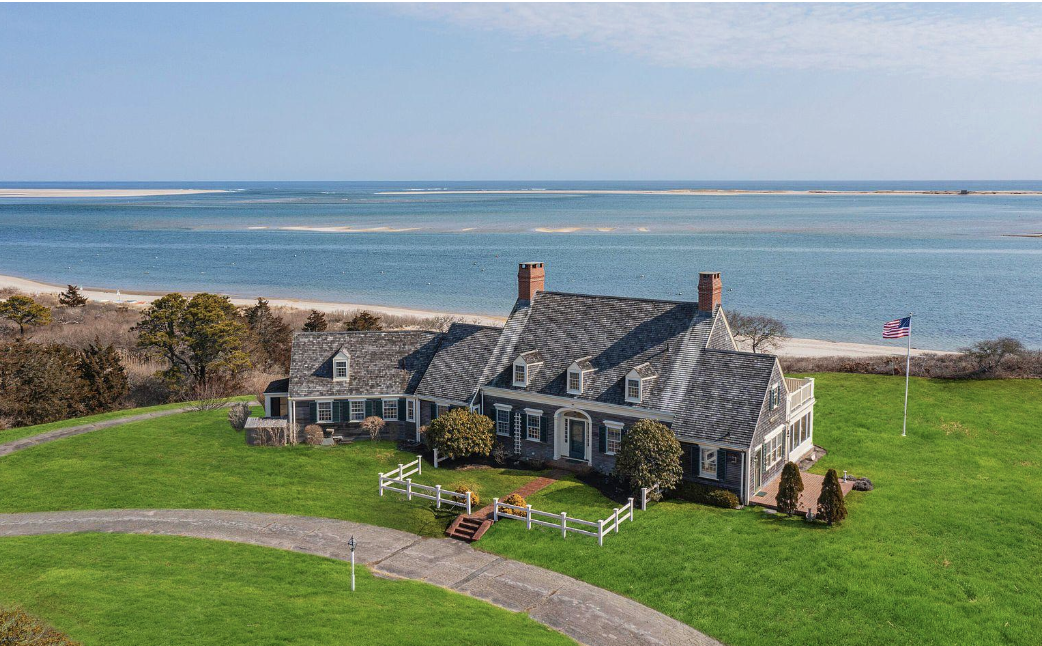
For owners of Cape Cod coastal properties, these conversations may be particularly relevant because a home can serve different purposes throughout its lifetime. What begins as a vacation home may eventually become a primary residence, rental property, or multigenerational family home.
Real Estate and Generational Wealth Planning
Real estate can play an important role in generational wealth planning because a property may remain a family asset long after the original purchaser is no longer the owner.
Families may consider passing a home to children or other beneficiaries, maintaining a connection to a particular place, or coordinating real estate with the rest of an estate plan.
But owning a valuable property does not automatically make succession simple.
Future owners may need to consider:
Ongoing maintenance costs
Property taxes and insurance
Repairs and improvements
Property management
Multiple beneficiaries
Whether the property should remain in the family
How the property fits into the beneficiaries' broader financial circumstances
There can also be emotional considerations. A family home may have memories and traditions attached to it, making decisions about selling or transferring the property more complicated than a simple financial calculation.
For this reason, long-term real estate ownership should be considered alongside the family's broader estate-planning goals.
What Should Buyers Consider Before Purchasing a Property?
Estate planning does not necessarily need to begin after someone already owns a property.
For buyers purchasing a significant Cape Cod real estate asset, it can be useful to discuss long-term ownership considerations with their professional advisors before completing a purchase.
Depending on the buyer's circumstances, questions might include:
Is the property intended to become a family asset?
A buyer purchasing a Cape Cod second home may already know that the property is intended to remain in the family for many years. That intention can be relevant to conversations with an estate-planning attorney and other advisors.
How will the property be used?
A primary residence, vacation home, rental property, and investment property can involve very different ownership and management considerations.
Who may eventually inherit it?
If a buyer expects a property to pass to children or other beneficiaries, understanding the potential future ownership scenario can help inform broader estate-planning conversations.
What will future owners be responsible for?
A property can carry ongoing costs beyond the initial purchase price. Maintenance, insurance, taxes, repairs, and property management may all become responsibilities for future owners.
Does the property fit into the broader estate plan?
Real estate should be considered alongside other assets and obligations rather than viewed in isolation.
The goal is not to determine a particular ownership structure independently. Instead, buyers can use these questions to begin informed conversations with the qualified professionals who can advise them.
Inherited Real Estate: What Happens Next?
Another important part of real estate inheritance is what happens after a property is actually inherited.
When several beneficiaries inherit a property together, they may have different ideas about what should happen next. One person may want to keep the home, another may prefer to sell, and another may want to use it as a rental.
Practical considerations can include:
Whether to keep, sell, or rent the property
How multiple heirs will share ownership
Property maintenance and repairs
Insurance coverage
Taxes and other ongoing expenses
Property valuation or appraisal
Management responsibilities
Coordination among beneficiaries
There can also be an emotional dimension, particularly when the inherited property is a longtime family home or vacation property.
The tax treatment and legal requirements associated with inherited property can vary significantly depending on the circumstances. Beneficiaries should consult qualified legal and tax professionals before making decisions about an inherited home.
For someone who ultimately decides to sell an inherited property, a knowledgeable Cape Cod real estate agent can also provide local insight into the property's market position, potential buyers, and the practical process of preparing and selling the home.
Why Cape Cod Real Estate Requires Long-Term Thinking
Cape Cod real estate encompasses a wide range of communities and property types, from the Upper Cape and Mid-Cape to the Lower Cape and Outer Cape.
Across these areas, properties can serve many different purposes. A home may be a year-round residence, a seasonal retreat, a second home, a rental property, or a place designed for multiple generations of a family.
That flexibility makes long-term planning particularly relevant.
A buyer purchasing a home today may not use it the same way twenty or thirty years from now. Family circumstances can change. Children may become homeowners themselves. A vacation property may eventually become a primary residence. A seasonal home may become a multigenerational gathering place.
Thinking beyond the immediate purchase can help families have more informed conversations about the future role of a property.
For owners of Cape Cod luxury real estate, these conversations can be especially meaningful when a home represents both a substantial asset and an important part of the family's history.
Working With the Right Professionals
Estate planning and real estate decisions can involve several different professionals, each with a distinct role.
Depending on the circumstances, a homeowner may work with:
Estate-planning attorneys for legal documents, ownership structures, trusts, and succession planning
Tax professionals for tax-related questions and reporting requirements
Financial advisors for broader financial and estate-planning considerations
Insurance professionals for appropriate property coverage
Real estate professionals for property valuation, market information, purchases, and sales
Appraisers when an independent property valuation is needed
Property managers when ongoing management is required
A real estate professional should not replace an attorney, tax advisor, or financial professional. Instead, each professional can contribute their own area of expertise.
For homeowners considering a purchase, sale, second home, inherited property, or long-term ownership strategy, having the right professionals involved can help ensure that different aspects of the decision are considered together.
Planning for What Comes Next

For many families, a home represents much more than a financial asset. It can be a place where generations gather, a seasonal retreat, a longtime residence, or a property that carries years of family memories.
That is why estate planning and real estate can be worth considering together.
Thoughtful planning can help families prepare for questions about ownership, inheritance, management, and long-term responsibilities. For buyers, those conversations can begin even before purchasing a property.
Whether you're exploring Cape Cod homes for sale, considering a second home, purchasing a luxury property, or navigating inherited real estate, LaBarge Real Estate can provide local expertise about the Cape Cod market and individual properties.
For legal, tax, and financial decisions, however, always consult the appropriate qualified professionals who can advise you based on your specific circumstances.